
Datara 대 기존 데이터베이스 클라이언트: 종합 비교
How does Datara compare to tools like DBeaver, TablePlus, and DataGrip? We break down the differences in performance, collaboration, and cloud integration so you can make an informed choice.
1 min read
10 articles published
How does Datara compare to tools like DBeaver, TablePlus, and DataGrip? We break down the differences in performance, collaboration, and cloud integration so you can make an informed choice.

Not all database clients are built for today's cloud-first, team-oriented workflows. Here are the five features that matter most when choosing your next database tool.
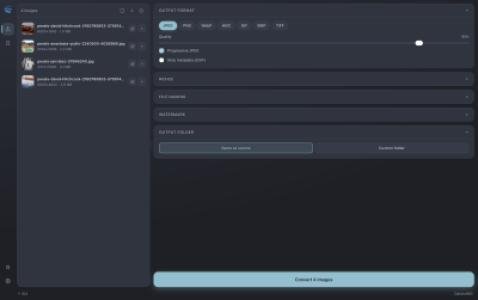
DataraIMG is a free image utility from Datara Studio that helps web developers convert, resize, and batch-rename assets in one focused workflow.
Modern software engineering is no longer just about writing code. Today's workflows involve databases, APIs, cloud infrastructure, CI/CD pipelines, containers, remote environments, observability platforms, and operational tooling spread across increasingly distributed systems. While infrastructure became more interconnected over time, the tooling surrounding it often became more fragmented.

The choice between a relational and a NoSQL database is one of the most consequential architectural decisions you'll make. Get it right and your system scales gracefully. Get it wrong and you'll be fighting your database for years. This is what you actually need to know.
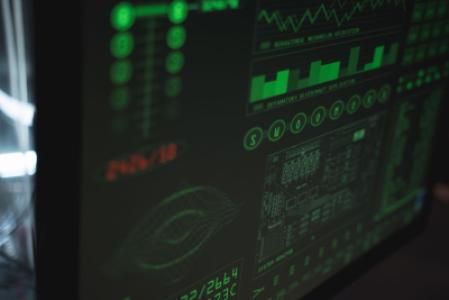
Least-privilege SSH access is one of the most effective security controls available to engineering teams. Here's what it actually looks like in practice — and why most teams aren't doing it properly.
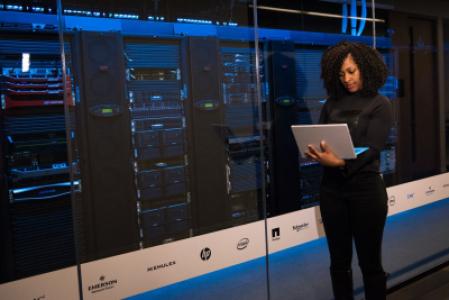
Schema migrations are one of the most common causes of production outages. Not because developers are careless — but because the standard workflow gives you almost no safety net between writing a change and applying it to live data.

Most engineers obsess over which database engine to use. Postgres vs MySQL. SQLite vs DynamoDB. But after years of working with databases daily, the engine is rarely the bottleneck. Your interface is.

Modern software development has never been more powerful — yet teams still spend a surprising amount of time fighting their tools. The challenge is not the tools themselves. It is the friction between them.